Source sound and light diecast toy vehicles for display, play, and gifting
Explore 30 options for sound and light diecast toy vehicles featuring alloy and metal materials with various scales and lighting modes. Buyers can compare specifications, certifications, and customization options from suppliers in Guangdong, China.
Key considerations
Products List
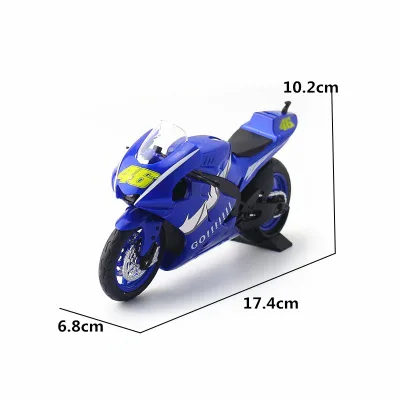
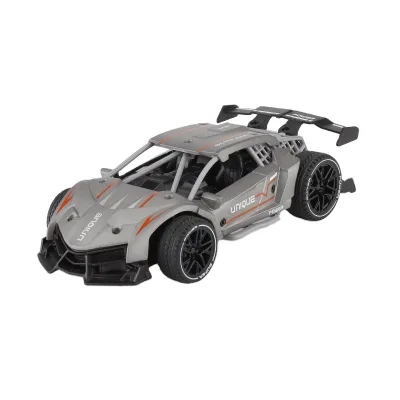


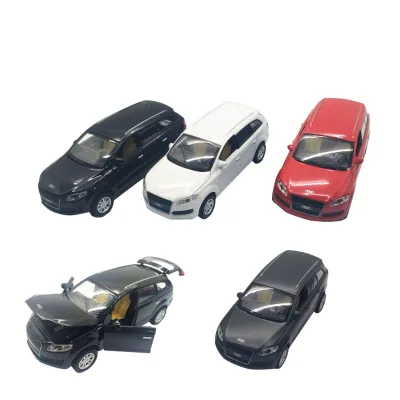

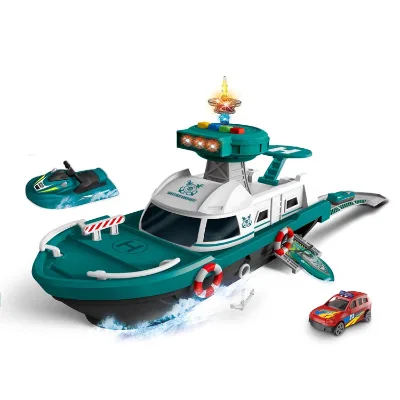





Comprehensive Sourcing Guide
Strategic Sourcing Guide for Sound and Light Diecast Toy Vehicles
Understanding Product Definitions and Core Specifications
When sourcing sound and light diecast toy vehicles, buyers must first distinguish between passive collectibles and active electronic toys. The market segment for "sound and light diecast toy vehicles" encompasses a range of products where the primary material is metal alloy, but the functionality is enhanced by integrated electronic components. Based on observed market data, these products are frequently categorized by their scale, which ranges significantly from 1:10 for large, detailed models to 1:64 for smaller, mass-market variants. The 1:32 scale appears frequently in both standard and remote-controlled iterations, offering a balance between detail and shelf presence.
The material composition is a critical differentiator. While the core body is typically diecast metal or alloy, the electronic housing and wheels often utilize plastic to reduce weight and cost. Some listings indicate a pure metal construction for the chassis, while others specify a composite of metal and plastic. The presence of sound and light features necessitates a power source. Observations show a divergence in power configurations: some units are designed with a 1.2V battery requirement, while others are marketed as having no battery, implying they may be passive models or the battery is included separately. Conversely, other active models explicitly list "Battery" as a power source, often requiring specific voltage inputs like 100-240V for charging or operation, though this is less common for handheld toys and more typical for larger display units.
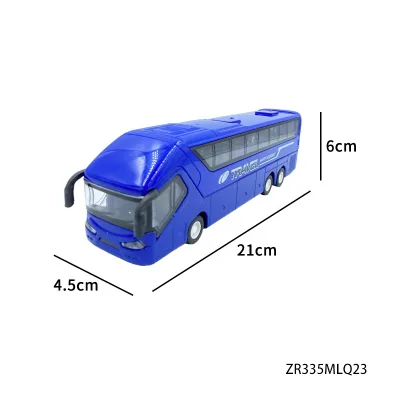
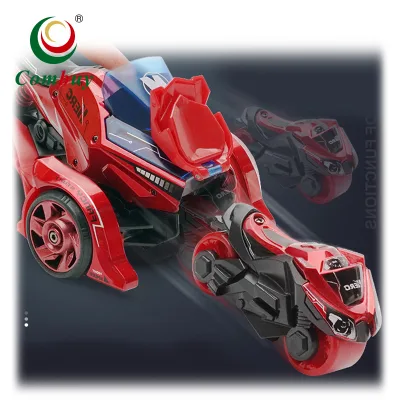
The functional attributes of these vehicles are diverse. High-end models may offer 360-degree spinning capabilities, drift functions, or remote control via 4-channel systems. Lighting features can be sophisticated, with some units boasting five distinct lighting modes. The packaging often reflects the product's complexity, with "window boxes" being a standard choice to allow visual inspection of the vehicle's design and lighting effects. The single package size for these items typically measures around 23x8x13.5 cm, though larger remote-controlled or multi-vehicle sets may exceed this, reaching dimensions like 29x22x17 cm.
Technical Compliance and Certification Verification
For toys intended for children, particularly those in the 2 to 14-year age range, compliance with international safety standards is non-negotiable. The presence of sound and light mechanisms introduces electrical and mechanical risks that require rigorous testing. Buyers must verify that suppliers possess valid certifications for the target markets. Observed data indicates that reputable manufacturers often hold certifications such as EN71, ASTM F963, and CE. These standards cover mechanical safety, flammability, and electrical safety.
Specifically, the EN71 standard is frequently cited in the context of toy safety, covering various parts of the standard that address physical and mechanical properties. For electrical components, the EN62115 standard is critical, as it specifically governs the safety of electrical toys. Additionally, the RoHS directive is often referenced to ensure that the electronic components within the diecast vehicle do not contain restricted hazardous substances. In some regional markets, such as India, local standards like BIS (Bureau of Indian Standards) and specific codes like 62115 or R4040 may be required.
Buyers should not assume that a product listing implies full compliance. Instead, they must request current test reports from the supplier. The "India Bis" and "7p" certifications mentioned in some contexts suggest a focus on specific regional regulatory requirements. It is essential to confirm that the certification covers the specific model number and the exact configuration of the sound and light modules. For instance, a model with five lighting modes may require different electrical safety testing than a simple sound-only unit. The age range provided on the product, such as "0 to 24 Months" or "14 Years & up," directly impacts the stringency of the required testing, with younger age groups subject to more rigorous small parts and choking hazard evaluations.
Cost Drivers and Pricing Dynamics
The pricing of sound and light diecast vehicles is influenced by a complex interplay of material costs, electronic integration, and order volume. The base cost is driven by the amount of alloy used in the diecast body. Models with a higher metal-to-plastic ratio generally command a higher price point. The complexity of the electronic system is another major cost driver. A simple sound chip with a single light is significantly cheaper to produce than a remote-controlled unit with 4-channel operation, 360-degree spin mechanics, and five lighting modes.
Minimum Order Quantity (MOQ) plays a pivotal role in the unit price. Market observations show an MOQ range from as low as 1 piece for sampling up to 3000 pieces for bulk production. A specific observation notes an MOQ of 96 pieces for certain standard models, which serves as a common entry point for small retailers. However, larger orders often benefit from economies of scale, reducing the per-unit cost. The packaging type also affects cost; "window boxes" are more expensive than plain cartons but provide better retail presentation.
The observed price range in the market spans from $0.10 to $20.77 USD. This wide variance reflects the difference between basic, non-functional diecast models and advanced, feature-rich remote-controlled vehicles. The lower end of the spectrum likely represents simple, non-battery-operated models or those with minimal electronic features. The higher end corresponds to complex units with advanced remote control, multiple lighting modes, and premium alloy construction. Buyers must balance the desired feature set against the budget constraints, keeping in mind that custom branding (OEM/ODM) and customized logos will add to the overall cost.
Supplier Evaluation and Manufacturing Capabilities
Selecting the right supplier requires a deep dive into their manufacturing capabilities and business flexibility. The majority of suppliers for these products are located in Guangdong, China, a region known for its robust toy manufacturing ecosystem. When evaluating a potential partner, buyers should verify their capacity for OEM (Original Equipment Manufacturer) and ODM (Original Design Manufacturer) services. Many suppliers explicitly state "OEM/ODM: Yes" or "Welocme," indicating a willingness to customize products.
Key evaluation criteria include the ability to customize the logo, color, and packaging. Suppliers offering "Customized Logo" and "Customization: Available" can help buyers differentiate their products in a crowded market. The age range of the target audience is another factor; some suppliers cater to toddlers (0-24 months) with specific safety features, while others focus on older children (7-14 years) with more complex remote-control features. The gender specification, often listed as "Boys" or "Unisex," should align with the buyer's marketing strategy.
Buyers should also assess the supplier's quality control processes. The presence of certifications like En71 and ASTM F963 suggests a commitment to safety, but on-site audits or third-party inspections are recommended to verify these claims. The supplier's ability to handle different vehicle types, such as "Off-road Vehicle" models or standard "Car" types, indicates versatility. Furthermore, the "Single gross weight" of 0.5 kg per unit is a critical metric for logistics planning. Suppliers who can provide accurate weight and dimension data for their "Single package size" help buyers optimize shipping costs and container loading.
Quality Control and Inspection Protocols
Implementing a robust quality control (QC) protocol is essential to ensure that every unit meets the specified standards. Given the electronic nature of sound and light toys, functional testing is paramount. Inspectors should verify that all lighting modes function correctly, that the sound module produces clear audio without distortion, and that any remote control features respond accurately. For models claiming 360-degree spin or drift capabilities, mechanical stress tests are necessary to ensure durability.
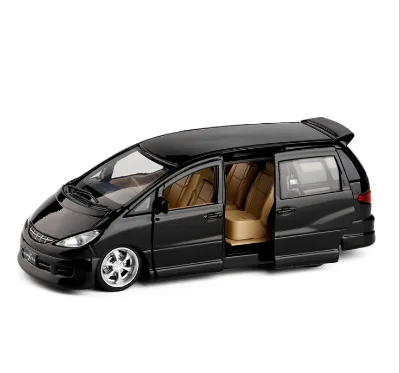
Visual inspection is equally important. The diecast finish should be free of defects such as flash, pits, or uneven paint. The color options, which may include Yellow, Blue, Orange, Green, and Red, must match the approved samples. The packaging must be inspected for structural integrity, ensuring that the window box protects the vehicle during transit. The "Qty/CTN" (Quantity per Carton) of 16 pieces is a standard packing configuration that buyers should verify to ensure consistency in shipping and storage.
For electronic components, buyers should request evidence of battery safety testing, especially for models requiring a 1.2V battery. The integration of the battery compartment should be secure to prevent accidental access by young children. Additionally, the "Mode" of operation, such as the 5 lighting modes, should be tested for longevity and consistency. Any discrepancies in the "Model Number," such as DGA411794 or KLX600-318, must be clearly documented to avoid shipping errors.
Long-Term Procurement and Market Considerations
Sourcing sound and light diecast vehicles is not a one-time transaction but a strategic partnership that requires long-term planning. Buyers should consider the lifecycle of the product and the potential for future customization. As trends shift, the ability to update lighting patterns or sound effects can extend the product's market relevance. The "Style" of the toy, whether "Diecast Toy" or "Kids Play Model Car Toy," influences its longevity in the market.
Inventory management is another critical consideration. With an MOQ of 96 pieces for some models, buyers must forecast demand accurately to avoid overstocking or stockouts. The "Selling Units" being listed as "Single item" suggests that the product is sold individually, which simplifies inventory tracking but requires careful demand planning. The "Usage" of the product, primarily "Playing" and "Display," means that the target market includes both children and collectors. This duality can offer opportunities for expanded marketing channels.
Finally, buyers should monitor the regulatory landscape. Standards like EN71 and ASTM F963 are subject to updates, and suppliers must be agile in adapting their production to meet new requirements. Establishing a relationship with a supplier who is proactive about compliance and quality will mitigate risks and ensure a steady supply of safe, high-quality products. By focusing on these long-term factors, buyers can build a resilient supply chain that supports sustainable growth in the competitive toy market.
FAQs
What certifications do sound and light diecast toy vehicles have?
These vehicles often hold EN71, ASTM F963, CE, and RoHS certifications for safety. Some listings also include India BIS and specific electrical standards like EN62115 to ensure compliance with international toy safety regulations.
Which scales are available for diecast model car toys?
Available scales include 1:10, 1:12, 1:16, 1:32, 1:43, and 1:64. The 1:32 scale is frequently used for both standard models and remote-controlled variants, offering a balance between detail and shelf presence.
Can buyers customize the logo and packaging for these toys?
Yes, customization is available for logos, colors, and packaging. Suppliers offer OEM and ODM services, allowing buyers to add customized logos and select window boxes for better retail presentation.
What is the typical minimum order quantity for these products?
The minimum order quantity ranges from 1 piece for sampling up to 3000 pieces for bulk production. A common entry point for standard models is an MOQ of 96 pieces.
Where are the manufacturers of these diecast vehicles located?
Most manufacturers are located in Guangdong, China. This region is known for its robust toy manufacturing ecosystem and capacity to handle various vehicle types and customization requests.
How do the lighting modes function on these electronic toys?
Some models feature five distinct lighting modes with 360-degree spinning or drift capabilities. These electronic functions require a power source, often a 1.2V battery or external power input.